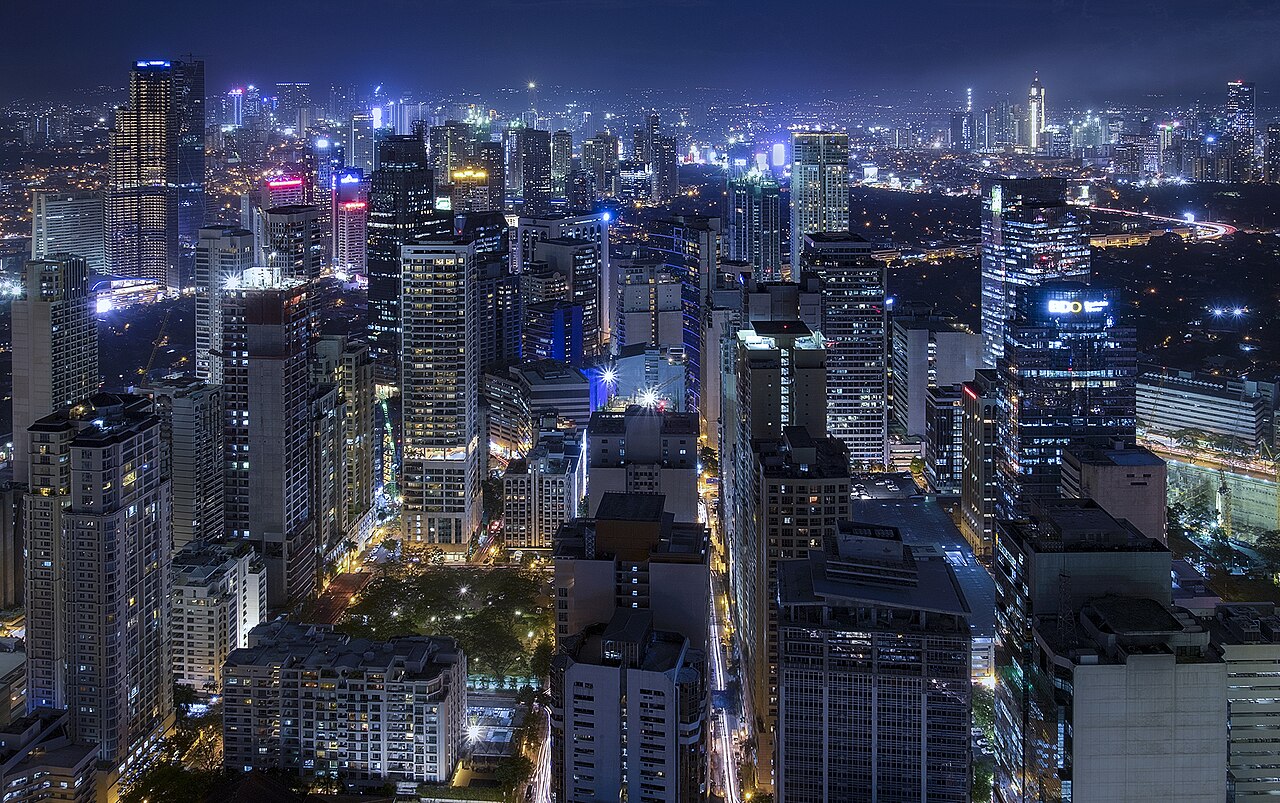
Philippines Economic Outlook: Growth Amidst Global Headwinds & Geopolitical Tensions
The Philippine economy stands at a fascinating juncture, poised for continued growth even as it navigates a complex global landscape marked by persistent headwinds and escalating geopolitical tensions. For businesses, investors, and policymakers, understanding the nuances of the philippines economic risk profile and its formidable resilience is paramount. This comprehensive analysis delves into the nation's economic projections, dissects the challenges, and outlines the strategic imperatives designed to sustain its upward trajectory. Despite a anticipated slowdown in 2025, the Philippines is expected to demonstrate remarkable fortitude, driven by robust domestic consumption and targeted policy interventions. While the pace of growth might not reach the pre-pandemic highs of 6.5% on average between 2015 and 2019, the outlook remains positive, with a modest recovery projected from 2026 onwards. This resilience underscores the dynamic interplay between internal strengths and external pressures shaping the nation's economic destiny.Navigating the Economic Landscape: Growth Projections and Drivers
The World Bank projects the Philippine economy to grow by 5.3% in 2025, a slight moderation from the average of 2023-2024. However, this figure is still commendable given the global economic climate and places the Philippines among the faster-growing economies in Southeast Asia. A more robust recovery is anticipated for 2026-2027, with an average growth rate of 6% projected for 2024-2026. This trajectory, though slightly lower than pre-COVID levels, indicates a healthy and expanding economy. The primary engine of this growth remains **private consumption**, which accounts for a substantial 75% of the country's Gross Domestic Product (GDP). Several factors are converging to fuel this domestic demand:- Easing Inflation: The Bangko Sentral ng Pilipinas (BSP) has been instrumental in taming inflation, creating a more favorable environment for consumer spending. As inflation cools, purchasing power improves, directly benefiting households.
- Lower Interest Rates: In line with global trends and domestic economic conditions, the BSP's monetary easing should further encourage borrowing and investment, stimulating economic activity.
- Robust Job Market: A strong and stable job market ensures steady income flows for Filipino households, contributing directly to resilient consumption patterns. This is often bolstered by significant remittances from overseas Filipino workers, providing a stable external income stream that shores up domestic spending.
Understanding the Philippines Economic Risk Landscape
While the outlook is generally positive, navigating the philippines economic risk environment requires a clear understanding of the challenges ahead. These risks, both domestic and global, demand strategic foresight from businesses and policymakers alike.Global Headwinds and External Pressures
The global economic environment remains a significant source of uncertainty. Weak global demand, a general slowdown in major economies, and increasing trade barriers pose considerable challenges for an open economy like the Philippines. These factors can:
- Impact Exports: Slower global growth translates to reduced demand for Philippine goods and services, affecting manufacturing and agricultural exports.
- Influence Foreign Direct Investment (FDI): Global economic uncertainty can make investors more cautious, potentially affecting FDI inflows crucial for job creation and capital formation.
- Increase Financial Market Volatility: Geopolitical events and global economic shifts can lead to greater volatility in financial markets, impacting currency exchange rates and capital flows.
Moreover, **heightened geopolitical tensions** add another layer of complexity. While the Philippine economy has demonstrated resilience in the face of these tensions, ongoing regional disputes and global power shifts necessitate careful monitoring. These can indirectly affect supply chains, shipping costs, and investor sentiment. For a deeper dive into these challenges, you might find value in our article: Philippines Economic Risk: Navigating 2025 Slowdown to 2027 Recovery.
Domestic Shocks and Structural Challenges
Beyond global factors, the Philippines must also contend with domestic shocks and long-standing structural issues. These include:
- Weaker Investment: While private consumption is strong, stimulating consistent and robust investment, especially in key infrastructure and productive sectors, remains crucial.
- Fiscal Consolidation: The government's push for credible fiscal consolidation is vital for long-term debt sustainability and investor confidence. However, balancing this with necessary public spending for growth and social programs requires adept policymaking.
- Poverty Reduction: Despite economic growth, pockets of poverty persist. Sustained growth needs to be inclusive to ensure broad-based benefits and social stability, which ultimately reduces socio-economic risks.
These domestic challenges are often intertwined, and addressing them requires a multi-faceted approach. For companies operating in the Philippines, understanding these dynamics helps in assessing Sustaining Philippines Growth: Public Investment, Reforms, and Risks relevant to long-term strategies.
Strategic Imperatives for Sustained Prosperity
To not only mitigate the philippines economic risk but also to unlock its full potential, the nation is focusing on several strategic imperatives. These are crucial for building a more competitive, resilient, and inclusive economy.1. Stronger Execution of Public Investments
Infrastructure development remains a cornerstone of the government's growth strategy. Programs like "Build, Better, More" aim to modernize transportation networks, energy infrastructure, and digital connectivity. Tip for Businesses: Keep an eye on public-private partnership (PPP) opportunities in these sectors. Improved infrastructure reduces operational costs, enhances logistical efficiency, and opens up new markets.
2. Credible Fiscal Consolidation
Maintaining fiscal discipline is essential for macroeconomic stability. This involves prudent spending, enhanced revenue generation (e.g., through tax reforms), and efficient debt management. A strong fiscal position reassures investors and creates fiscal space for counter-cyclical measures during economic downturns.
3. Structural Reforms for Enhanced Competitiveness
The World Bank emphasizes the need for structural reforms, particularly to enhance competitiveness in the tradables sector. This includes:
- Manufacturing: Policies to attract high-value manufacturing and integrate into global supply chains.
- Agriculture: Modernization, improved irrigation, technology adoption, and better market access for farmers.
- Information Technology (IT-BPM): Continued support for the Business Process Management sector, including talent development and digital infrastructure.
- Tourism: Infrastructure development, promotional campaigns, and ease of travel to revitalize the sector post-pandemic.
Additionally, reforms that improve the overall ease of doing business, streamline regulations, and foster a transparent business environment are critical. Unlocking the potential of small and medium-sized enterprises (SMEs) through better access to finance, technology, and market linkages is also a vital component of this strategy.
4. Harnessing High-Potential Urban Corridors
Beyond major metropolitan areas, identifying and developing high-potential urban corridors can foster more balanced regional growth. This involves investing in infrastructure, creating economic zones, and promoting specific industries in these emerging hubs. This decentralization can alleviate pressure on congested cities and create new investment opportunities.